
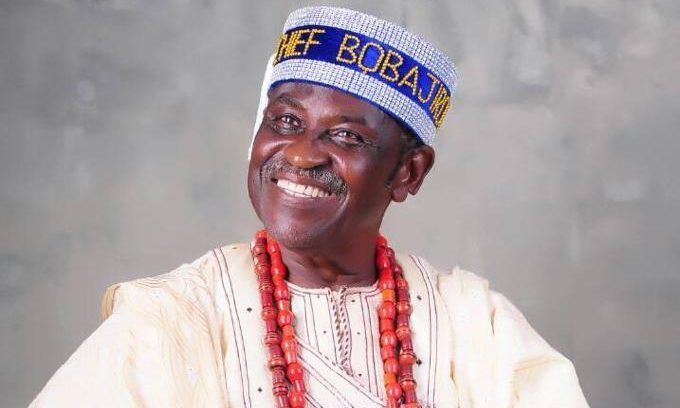
Blackman Akeeb Kareem stands as one of the most enduring and influential figures in Nigerian popular music. Few artists have left such a lasting mark across multiple generations. Emerging in the years following Nigeria’s independence, he developed a distinctive musical style that seamlessly blended highlife, Yoruba folk traditions, Afro-pop, and thought-provoking storytelling.
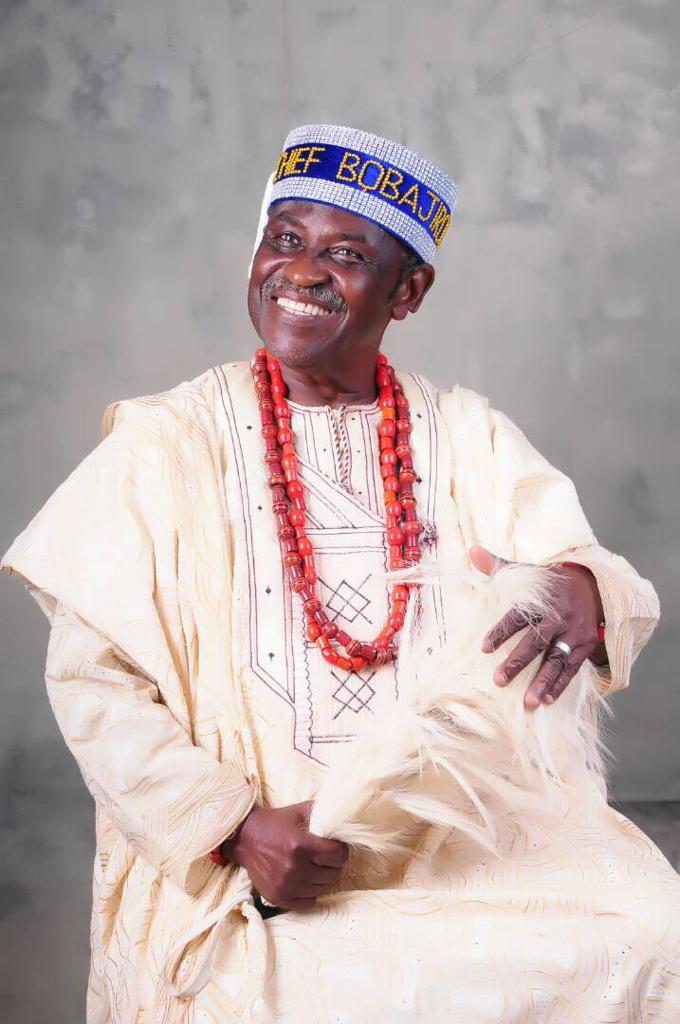
Evang. Akeeb Kareem
His timeless hits, including Ameboism and Ololufe, have become part of Nigeria’s musical heritage, cherished by audiences for decades. Yet Kareem’s influence extends far beyond the recording studio. As a broadcaster, he helped shape public conversation, using his voice to inform and inspire. Later, embracing a spiritual calling as Evangelist Michael Akeeb Kareem, he continued to touch lives through ministry, carrying the same passion for uplifting others that had defined his musical career.
As he celebrates his 80th birthday on Monday, 27 July, his legacy remains as strong as ever: a life dedicated to creativity, deeply rooted in culture, and an enduring source of inspiration for generations of Nigerians.
Few musicians have sustained artistic relevance across as many decades as Blackman Akeeb Kareem. As a singer, composer, guitarist, broadcaster, and cultural advocate, he occupies a distinctive place in the history of Nigerian popular music. His career reflects not only remarkable musical versatility but also an enduring commitment to preserving and promoting Yoruba cultural heritage through song, storytelling, and public engagement.
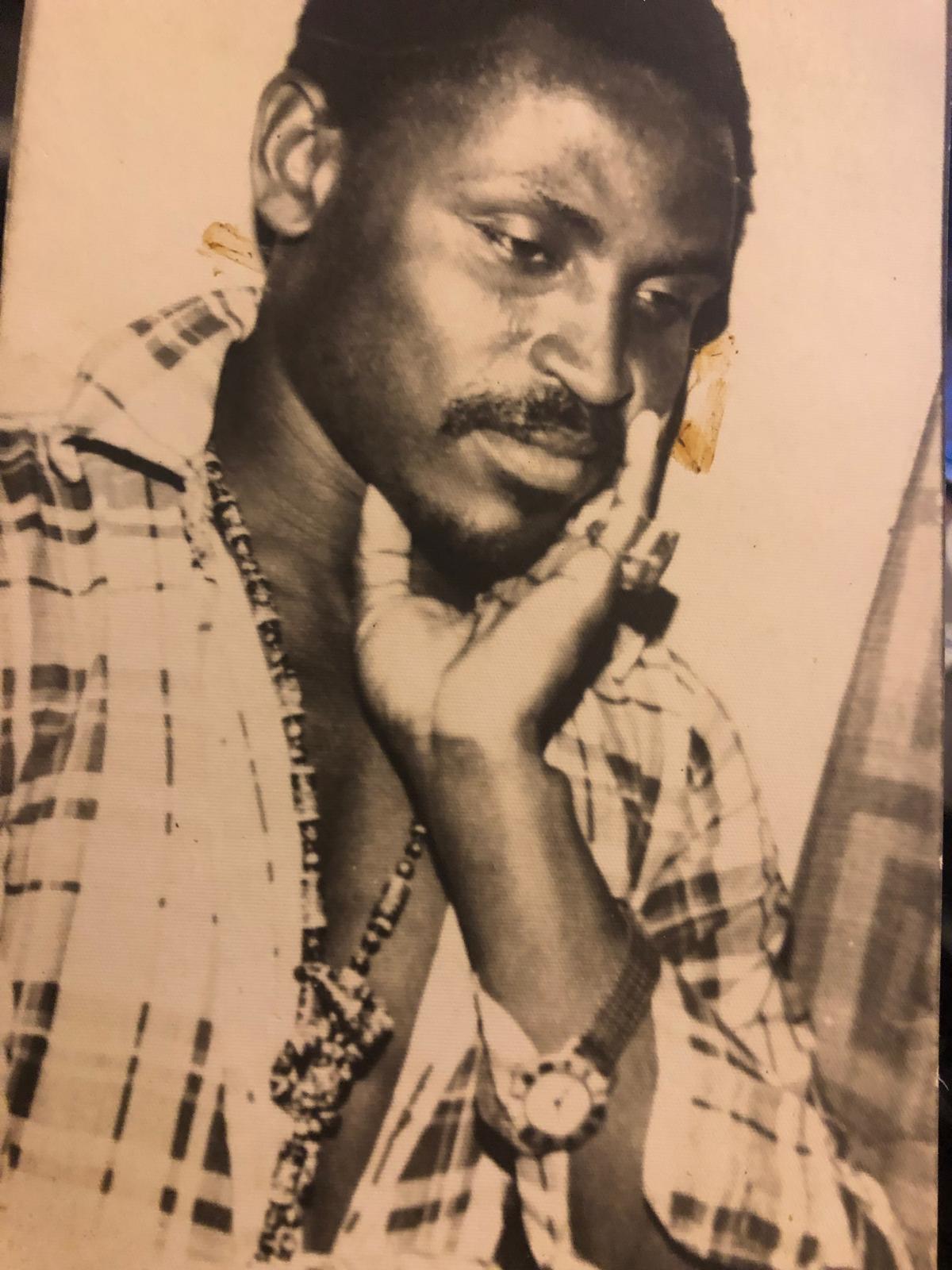
Blackman-Akeeb-Kareem
Emerging during the transformative years of Nigeria’s post-independence music scene, Akeeb Kareem developed a sound that resisted easy classification. When highlife dominated popular entertainment and new musical influences were reshaping African music, he forged a distinctive style that blended highlife, Yoruba folk traditions, Afro-pop, and socially conscious songwriting. His music drew naturally from indigenous rhythms and oral traditions while embracing contemporary arrangements that appealed to a broad audience. Long before musical fusion became commonplace, he demonstrated that African traditions and modern expression could coexist with authenticity and artistic integrity.
His years with Decca West Africa marked the most celebrated period of his recording career. During that era, he released memorable songs that earned widespread admiration and secured his place among Nigeria’s respected recording artists. Classics such as Ameboism, Ololufe, and several other well-loved recordings became part of the country’s cultural soundtrack. Their enduring popularity reflected more than commercial success; they captured everyday experiences, celebrated love and relationships, offered social commentary, and resonated with listeners across generations.
Akeeb Kareem possessed an unmistakable artistic identity. His expressive voice, clear diction, and thoughtful lyrical delivery gave his songs an immediacy that connected deeply with audiences. As a gifted guitarist and accomplished composer, he created melodies that were both accessible and musically sophisticated. His performances combined technical skill with warmth, wit, and a natural rapport with audiences, making him equally at home in concert halls, social gatherings, and community celebrations.
Beyond entertainment, his music served as a vehicle for cultural education. Drawing on Yoruba language, idioms, proverbs, and storytelling traditions, he celebrated the richness of his heritage while addressing themes that spoke to universal human experience. His compositions showed that popular music could entertain while also preserving language, transmitting values, and documenting the social realities of its time. In doing so, he helped reinforce the importance of indigenous culture within Nigeria’s rapidly changing musical landscape.
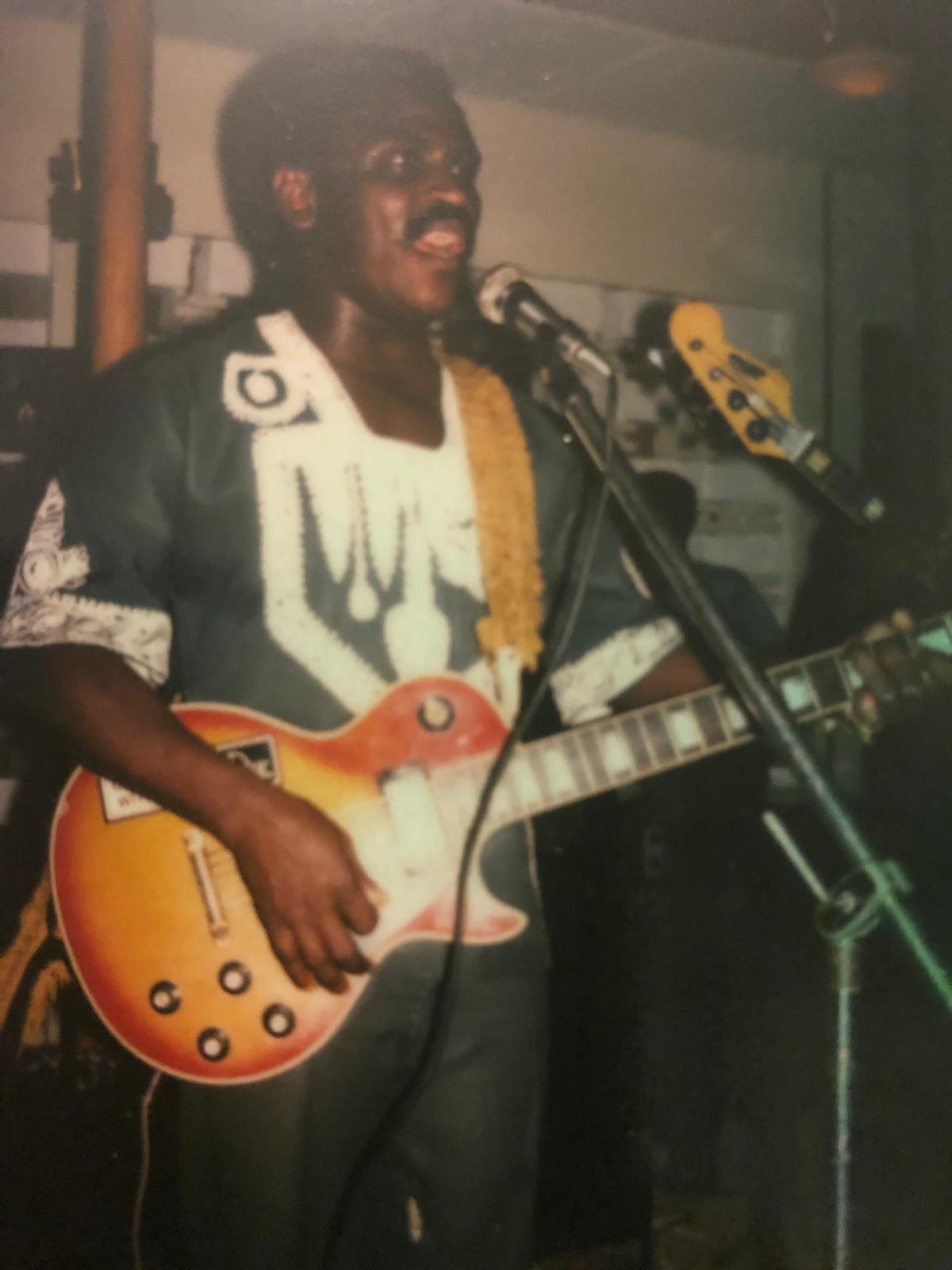
Blackman-Akeeb-Kareem – A guitar maestro
His influence extended well beyond the recording studio and the performance stage. As a broadcaster, Akeeb Kareem became a respected media personality who used radio and television to champion Nigerian music and culture. Through his work in broadcasting, he introduced audiences to emerging talents, encouraged artistic excellence, and contributed thoughtfully to discussions about music, society, and cultural identity. His ability to communicate with clarity and authenticity earned him respect not only as an entertainer but also as a trusted cultural commentator.
Throughout his career, he embodied the qualities of a cultural ambassador. Whether performing before local audiences or representing Nigerian creativity beyond its borders, he presented Yoruba culture with confidence, dignity, and openness. His ability to blend African and European musical influences without compromising his artistic identity reflected both creativity and cultural assurance. He showed that embracing innovation need not come at the expense of tradition, inspiring younger musicians to explore new possibilities while remaining rooted in their heritage.
In 1984, Akeeb Kareem moved to Europe, opening a new chapter in his life’s journey. Rather than leaving music behind, he redirected his talents towards a higher spiritual calling. Today, known as Michael Akeeb Kareem, he serves as a full-time evangelist, leading the Akeeb Kareem Media Ministries in London. Through this ministry, he continues to use music as a powerful instrument of faith, hope, and encouragement, touching lives through worship, teaching, and inspirational outreach. His transition from celebrated entertainer to dedicated minister illustrates the continuity of his life’s purpose: using the gift of music to uplift, educate, and inspire.
His legacy is therefore measured not only by the songs he recorded or the applause he received, but also by the lives he has influenced over many decades. As an artist, he expanded the creative possibilities of Nigerian popular music. As a broadcaster, he amplified voices and strengthened cultural awareness. As a cultural custodian, he preserved and celebrated Yoruba heritage through accessible and memorable works. As a minister, he continues to show that music can serve both artistic excellence and spiritual renewal.
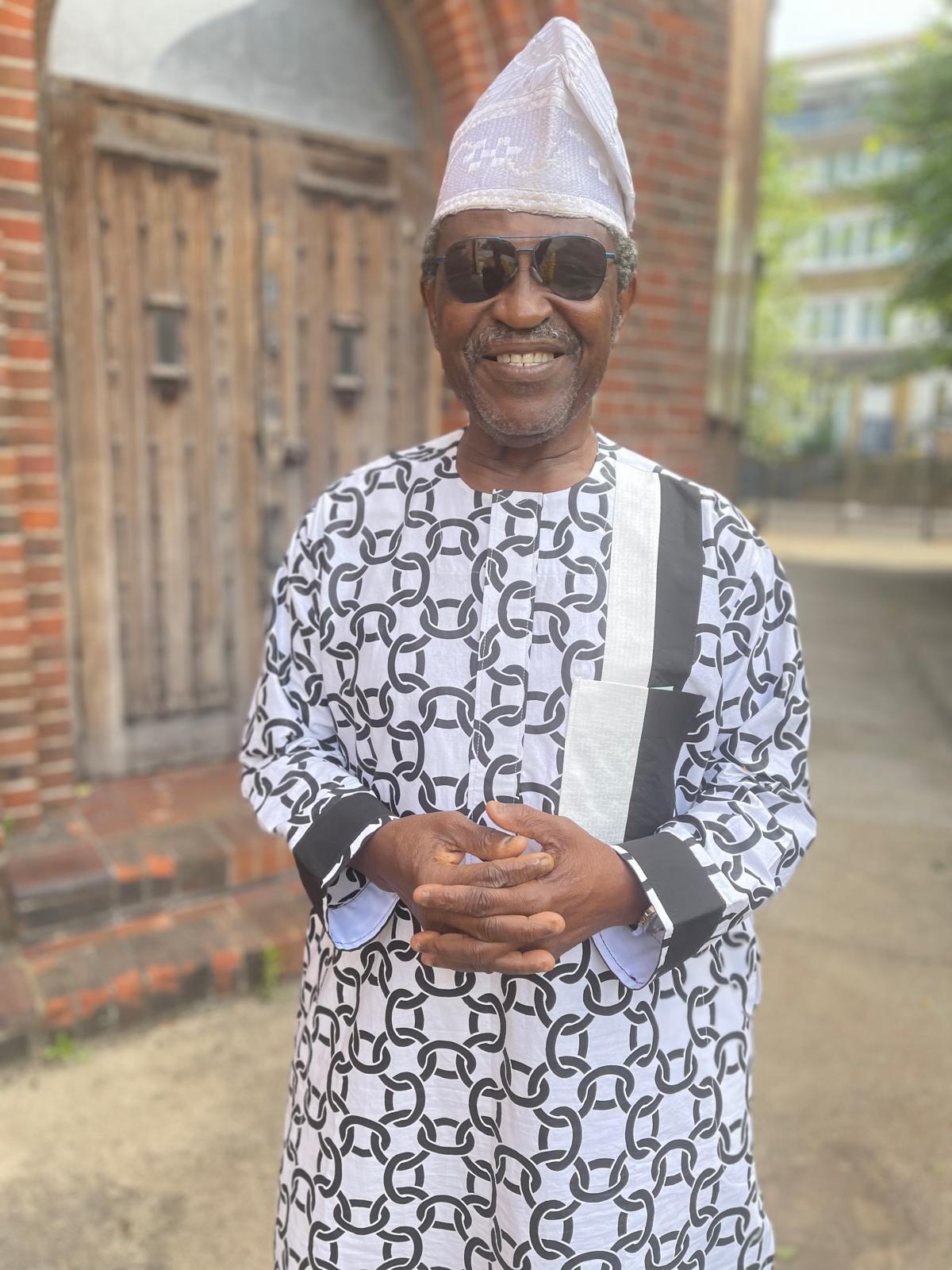

Blackman Akeeb Kareem
Blackman Akeeb Kareem’s remarkable journey reflects resilience, creativity, and an unwavering commitment to service. Across every stage of his career, he has remained faithful to the values of excellence, authenticity, and cultural pride. His contributions have enriched Nigeria’s musical heritage and continue to inspire musicians, broadcasters, cultural practitioners, and audiences alike.
In recognition of his visionary leadership, outstanding artistic achievement, enduring cultural influence and lifelong commitment to advancing Nigeria’s creative and cultural legacy, the Wale Olomu Memorial Award (WOMA) Steering Committee presented the Lifetime Achievement Award 2025 to Blackman Akeeb Kareem – a distinguished musician, broadcaster, cultural icon and inspirational servant whose life’s work continues to resonate across generations.
Happy 80th birthday to this legend whose mammoth creative legacy endures.
Text: Franklyn Frantos Snr.
Images: Evang. Akeeb Kareem’s Library / Family Album.
© 2026. Feferity Media Groups